
Best Organic fertilizer
Organic fertilizers are fertilizers that are naturally produced and contain carbon (C). Fertilizers are materials that can be added to soil or plants, in order to provide nutrients and sustain growth. Typical organic fertilizers include mineral sources, all animal waste including meat processing, manure, slurry, and guano, plant-based fertilizers, such as compost, and biosolids. There are also other abiotic non-chemical, fertilizer methods that meet the Principles of Organic Agriculture, which determines whether a fertilizer can be used for commercial organic agriculture.
Minerals: Minerals can be mined or fossil products of animal activity, such as greensand (anaerobic marine deposits), some limestone's (fossil shell deposits), and some rock phosphates (fossil guano). Adding limestone or “liming” soil is a way to raise pH. By raising the pH of a soil, microbial growth can be stimulated, which in turn increases biological processes, enabling nutrients to flow more freely through the soil. When nutrients flow freely they are more accessible to plants and therefore can increase plant health and mass. If the soil is already pH balanced, liming the soil, would be ineffective.

We are Manufacturer Supplier & Exporter of Fertilizer
Contact Us
Phone: +79266450870
For Bulk Liquid / Powder Fertilizer Price List
Soil Irrigation Fertilizer | Fruit Irrigation Fertilizer | Vegetable Irrigation Fertilizer | Crop Plant Irrigation Fertilizer
Biological Agriculture Fertilizer Price | Calcium Agriculture fertilizer Price | Boron Agriculture fertilizer Price | Zinc Agriculture fertilizer Price | Organic Agriculture fertilizer Price | Soil Agriculture fertilizer Price | Potassium Agriculture fertilizer Price | Betaine Agriculture fertilizer Price | Amino Acid Agriculture Fertilizer Price | Fulvic acid Agriculture fertilizer Price | Crop Farming Agriculture fertilizer Price | Ascophyllum nodosum Agriculture fertilizer Price | Zinc chelated Agriculture fertilizer Price | NPK Agriculture fertilizer Price | Root Booster Agriculture Fertilizer Price | Nitrogen Agriculture Fertilizer Price | Phosphorus Agriculture Fertilizer Price | Potassium Agriculture Fertilizer Price | Iron Agriculture fertilizer Price
Peat: Peat, or turf, is a plant material that is only partially decomposed. It is a source of organic matter. Soil with higher levels of organic matter is less likely to compact, which improves soil aeration and water drainage, as well as assists in supporting soil microbial health. It is sometimes credited as being the most widely used organic fertilizer and by volume is the top organic amendment.
Animal Sources: Animal sourced materials include both animal manures and residues from the slaughter of animals. Manures are derived from milk-producing dairy animals, egg-producing poultry, and animals raised for meat and hide production, or sport and recreation. Manure is an abundant resource with estimations for cattle manure in the US alone reaching two billion tons annually, and one hen has the potential to produce a cubic foot of manure every six months. By adding manure to crops it adds nitrogen, potassium, phosphorus, sulfur, magnesium and calcium. While also increasing soil stability by increasing organic material, increasing water infiltration, it can add bacteria diversity and over time reduce the impacts of soil erosion. However, there is organic manure and non-organic manure. In order for manure to be considered organic, it must come from organic livestock or certified organic growers. If organic manure is not available, they are permitted to use non-organic manure as long as the animals have room to roam, are not kept in the dark, and growers abstain from using genetically modified feeds.
Fresh manure, right from the stall, can cause issues because it can be too high in ammonia, or contain bacteria from the animal’s gut. This can have an adverse effect on plants as the ammonia can burn the roots and microbes from the animal’s gut can harm the microorganisms in the soil, killing them, or contaminate produce, such as E. coli and salmonella. There is also a risk of introducing weeds, as seeds can pass through the gut of an animal relatively unharmed, or there can be seeds in the bedding of the livestock, which is often mixed in with the manure. Therefore, manure is required to be composted which will ideally kill any seeds or pathogens and reduce the ammonia content.

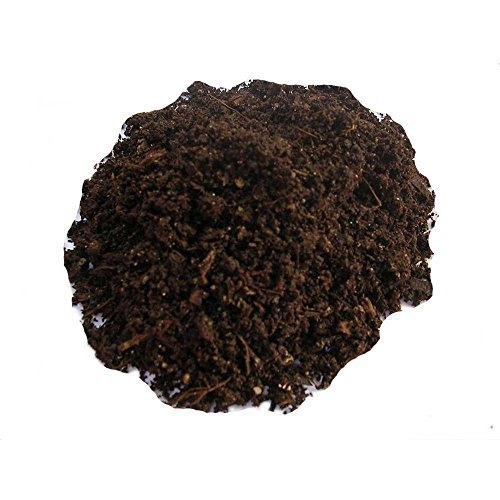
Organic fertilizers are made from mined rock minerals, and natural plant and animal materials. They include ingredients like manure, guano, dried and powdered blood, ground bone, crushed shells, finely pulverized fish, phosphate rock, and wood.
1. Homogeneous nutritional values
nutrients in organic fertilizers. Nutrients for soil, soil life and plants.
The mixing during composting ensures the right distribution of nutrients. By composting the nutrients remain intact and there is little loss of nitrogen. Because of the stable mineral content, it is easy to calculate the required dosage.
2. Completely weed-free
By heating (60° C) the raw materials for a longer period, the weed seeds, germs, unwanted fungi and bacteria are completely killed. The end result is a clean product with mineral content.
3. High moisture-absorbing capacity
Composting provides an organic fertilizer pellet with a high moisture-absorbing capacity (up to three times its own weight). A poor soil loses moisture (rain) quickly because it washes away or evaporates. Our pellets prevent water from being wasted because the pellets retain water. By using the pellets the organic matter level of the soil will be brought up. As a result, less water will be wasted and thus saved on water consumption.
4. Long-lasting
Another advantage of a pellet is that it can be stored easily and for a longer period. The pellets can be stored for approximately 5 years in a closed package in a well ventilated and moisture-free environment.
5. Slow-release
The nutrients in organic fertilizers are released slowly, making them available for the crop during cultivation. This ensures a long-lasting effect and high effectiveness. icon-100%-natural-en
6. 100% natural organic fertilizers
Our organic fertilizers are produced from a residual flow without additives. Our production process is based on a circular concept and therefore our products are 100% natural.
7. No leaf or root burning
Composting ensures the ammonium to be converted into a more stable form of nitrogen. This nitrogen is released slowly, eliminating the risk of a leaf or root burning.

8. Neutral odour because of composting
Composting neutralises the odour and makes the end product an almost odourless pellet.
9. Applicable anywhere and anytime
The organic fertilizers can be used in any type of soil and can be applied throughout the year (with the exception of frost in the ground).
10. Organic fertilizers are easy applicable
The pellets can be spread manually or mechanically with ordinary machinery, also during the growing season. This decreases mineral washout and improves growth.
Fertilizer Type we Provide:
Powder Fertilizer | Bio-Feed | Microelements | Special Formulation
We are specialists in fertilizing
Recent post
Water Soluble Fertilizer Supplier In USA
November 18, 2021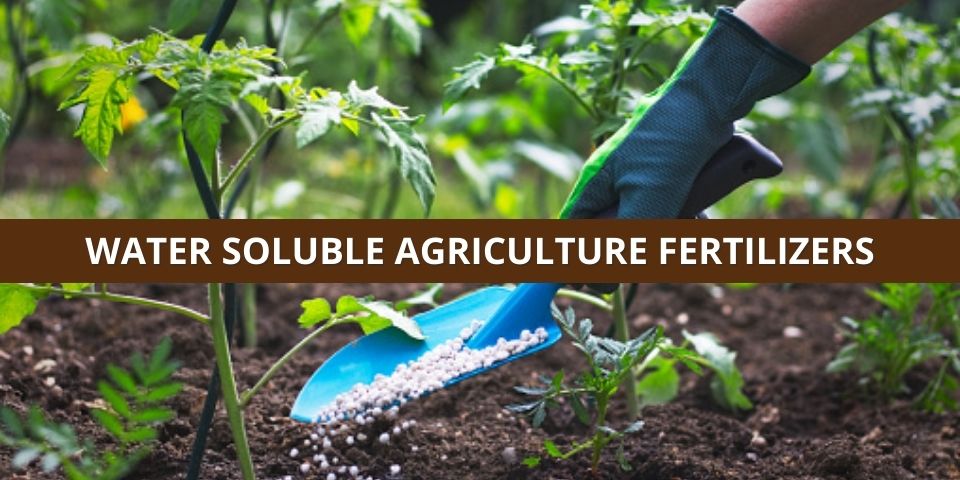
Water Soluble Fertilizer Supplier In Maharashtra India
November 17, 2021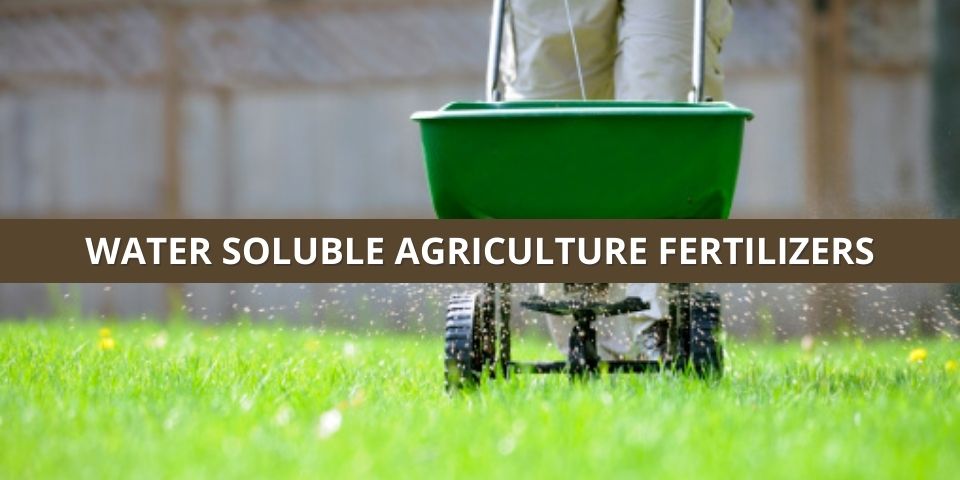
Water Soluble Fertilizer Pricelist In India
November 16, 2021
Water Soluble Fertilizer Online Supplier In India
November 16, 2021


Dutchman's Breeches
£162.00
£120.00
Pellentesque habitant morbi tristique senectus et netus et malesuada fames ac turpis egestas. Vestibulum tortor quam, feugiat vitae, ultricies eget, tempor sit amet.
- b
- r
- p