Liquid Fertilizer Of Zinc In Assimilable EDTA Form
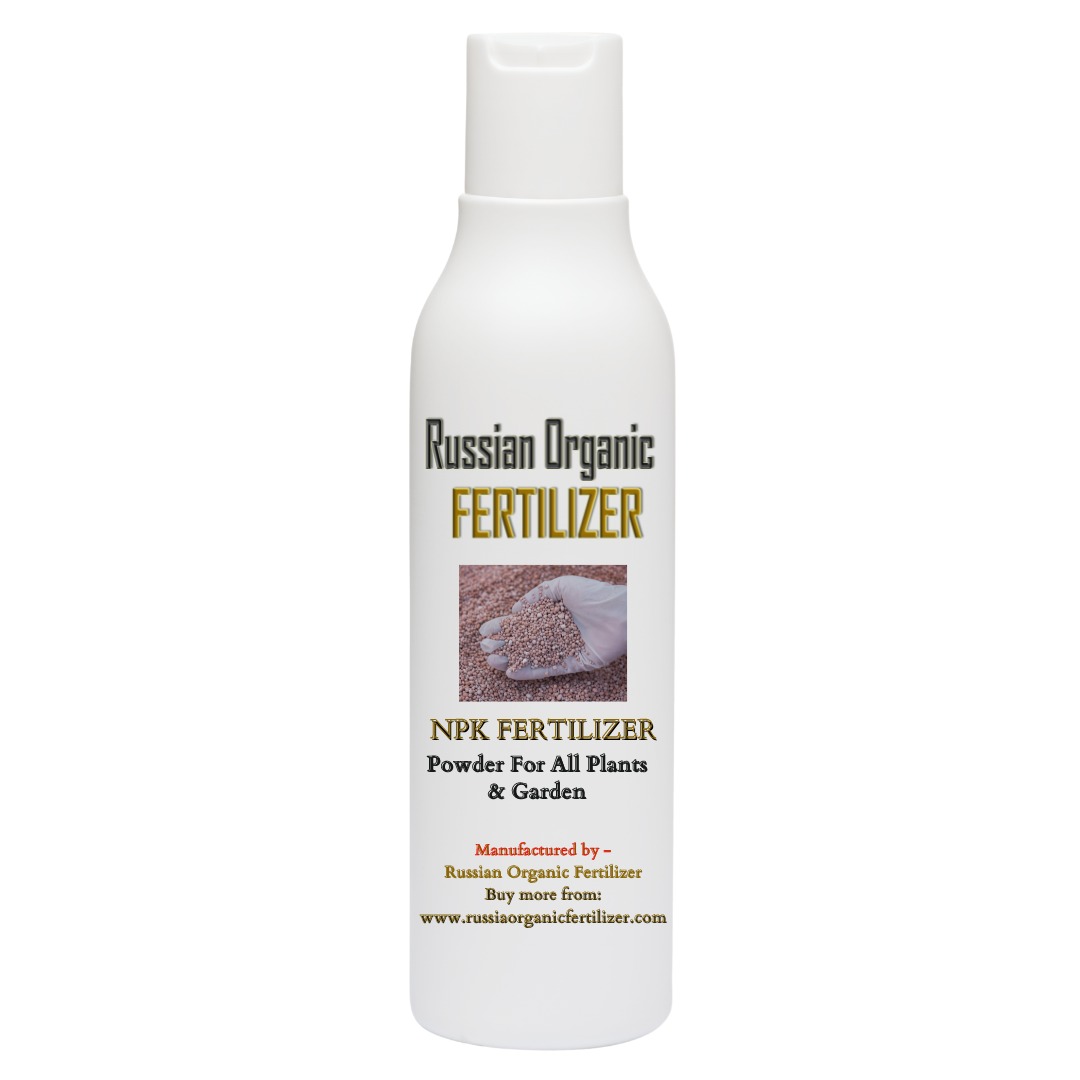
Brand : Russian Organic Fertilizer
| Classification | : | liquid zinc fertilizer |
|---|---|---|
| Country Of Origin | : | Jorden |
| Certificate of Analysis (CoA) | : | Available |
| Form | : | Liquid |
| Shelf Life | : | 2 Years |
| Storage | : | Cool Place |
| Brand Name | : | Russian Organic Fertilizer |
| Purity | : | 95% |
| Use type | : | Agriculture |
| Packaging type | : | Plastic Bottle |
| Manufacturing Capacity | : | 500 Ton per Month |
| Packing Size | : | 25, 50,100 Liter |
| MOQ | : | 100 Liter |
Liquid Zinc Fertilizer Price Per Kg
Zinc Liquid Fertilizer Bulk Price - Zinc Fruit Growth Fertilizer Supplier For Agriculture Farming
India Jordan United States Canada Australia Germany United Kingdom Mexico
Zn A Liquid Fertilizer Of Zinc In Assimilable EDTA Form.
It Aims In The Prevention And Confrontation of Problems That Result From The Deficiency Of This Element.
The Chelate (EDTA) Form, Renders Chelan Zn Particularly Effective And Reliable in Difficult Cases Of Zinc Deficiency.
Zinc Plays An Important Role In Flowers Fertilization, Proper Growth Of Shoots And Leafage, As Well As Increasing Fruit Size.
Zinc (Zn) is an essential micronutrient for plant life. In Minnesota, while some soils are capable of supplying adequate amounts for crop production, the addition of zinc fertilizers is needed for others. Zinc is a recommended micronutrient in fertilizer programs for the production of corn, sweet corn, and edible beans.
Zinc is an important component of various enzymes that are responsible for driving many metabolic reactions in all crops. Growth and development would stop if specific enzymes were not present in plant tissue. Carbohydrate, protein and chlorophyll formation is significantly reduced in zinc-deficient plants.
We are Manufacturer Supplier & Exporter of Fertilizer
Contact Us
Phone: +79266450870
For Bulk Liquid / Powder Fertilizer Price List
Soil Irrigation Fertilizer | Fruit Irrigation Fertilizer | Vegetable Irrigation Fertilizer | Crop Plant Irrigation Fertilizer
Zinc deficiency occurs when plant growth is limited because the plant cannot take up sufficient quantities of this essential micronutrient from its growing medium. It is one of the most widespread micronutrient deficiencies in crops and pastures worldwide and causes large losses in crop production and crop quality. Almost half of the world's cereal crops are grown on zinc-deficient soils.
Zinc (Zn) is one of the eight essential micronutrients. It is needed by plants in small amounts, but yet crucial to plant development. In plants, zinc is a key constituent of many enzymes and proteins. It plays an important role in a wide range of processes, such as growth hormone production and internode elongation.
Zinc may effectively reduce inflammation, boost immune health, reduce your risk of age-related diseases, speed wound healing and improve acne symptoms.
Zinc (Zn) is a micronutrient critical for proper growth and development in plants. Although we do not fully understand zinc's specific role, it is certain that zinc is involved in the production of chlorophyll, protein, and various enzymes involved in metabolic reactions for proper growth.
Zinc sulfate (35% zinc) is usually used to supply the needed amount of zinc when dry fertilizer materials are used. This material can be either broadcast and incorporated before planting or used in a starter fertilizer. It blends well with other dry fertilizer materials.
Fertilizer Type we Provide:
Powder Fertilizer | Bio-Feed | Microelements | Special Formulation
We are specialist in fertilizing
Zinc deficiency is common in many different types of soil; some soils (sandy soils, histosols, and soils developed from highly weathered parent material) have low total zinc concentrations, and others have low plant-available zinc due to strong zinc sorption (calcareous soils, highly weathered soils, vertisols, hydromorphic soils, saline soils). Soils low in organic matter (such as where topsoils have been removed), and compacted soils that restrict root proliferation also have a high risk of zinc deficiency. Application of phosphorus fertilizers has frequently been associated with zinc deficiency; this may be due to enhanced sorption by clay minerals (especially iron oxides), suppression of vesicular-arbuscular mycorrhizae, and/or immobilization of zinc in plant tissues. Liming of soils also frequently induces zinc deficiency by increasing zinc sorption.
- Tags:
Related Products





Dutchman's Breeches
£162.00
£120.00
Pellentesque habitant morbi tristique senectus et netus et malesuada fames ac turpis egestas. Vestibulum tortor quam, feugiat vitae, ultricies eget, tempor sit amet.
- b
- r
- p