Specialized zinc fertilizer enriched with organic substances
Brand : Russian Organic Fertilizer
| Classification | : | Zinc Organic Crop Fertilizer |
|---|---|---|
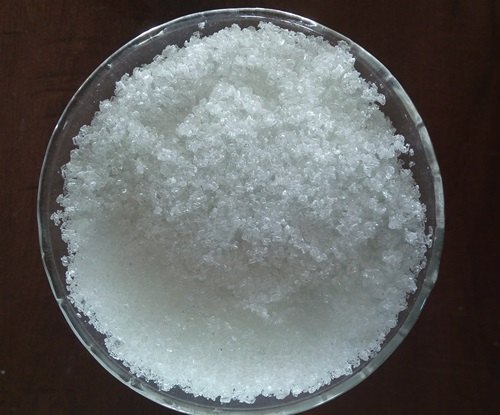
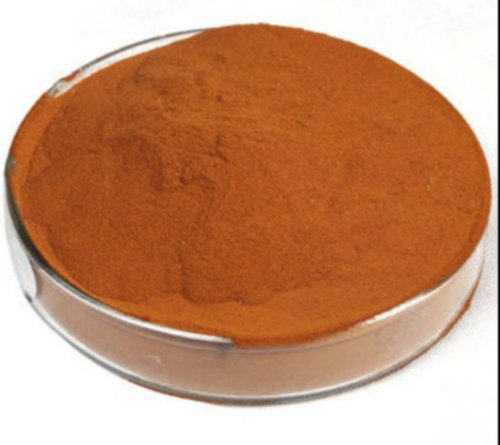
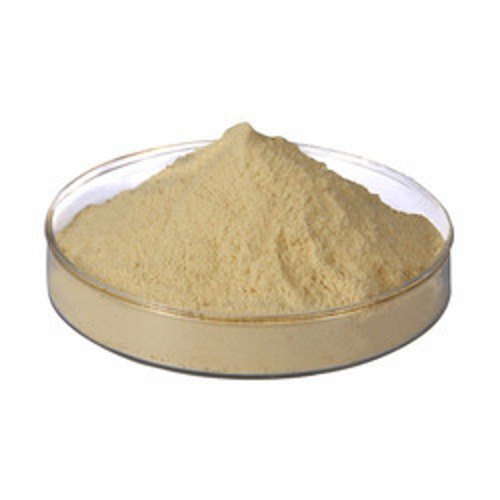
| Appearance | : | Pure White |
| Country Of Origin | : | Jorden |
| Certificate of Analysis (CoA) | : | Available |
| Form | : | Powder |
| Shelf Life | : | 2 Years |
| Storage | : | Cool Dry Place |
| Brand Name | : | Russian Organic Fertilizer |
| Purity | : | 99% |
| Use type | : | Agriculture |
| Packaging type | : | Plastic Bag |
| Manufacturing Capacity | : | 500 Ton per Month |
| Packing Size | : | 25, 50,100 Kg. |
| MOQ | : | 100 Kg |
| Grade Standard | : | Agriculture |
Zinc Organic Crop Fertilizer
Zinc Flower Agriculture Fertilizer Bulk Price - Fruit Growth Organic Zinc Fertilizer Supplier
India Jordan United States Canada Australia Germany United Kingdom Mexico
Fulvate Zn is a specialized zinc fertilizer enriched with organic substances. Fulvate Zn aims the prevent and confrontation of problems that result from the deficiency of this element.
Zinc plays an important role in flowers fertilization, proper growth of shoots and leafage, as well as increasing fruits size.
Organic Zinc is manufactured through the sophisticated fermentation process and is a bio-available source of Zinc. It is enriched with gluconates lactates, which helps nutrients to get easily absorbed and assimilated into the plant system, thus re very beneficial for the crops.
Zinc (Zn) is an essential micronutrient for plant life. In Minnesota, while some soils are capable of supplying adequate amounts for crop production, the addition of zinc fertilizers is needed for others. Zinc is a recommended micronutrient in fertilizer programs for the production of corn, sweet corn, and edible beans. Several research projects have focused on the use of this nutrient, and much of the following information is based on the results of that research.
It is used in the formation of chlorophyll and some carbohydrates, conversion of starches to sugars, and its presence in plant tissue help the plant to withstand cold temperatures. Zinc is essential in the formation of auxins, which help with growth regulation and stem elongation.
We are Manufacturer Supplier & Exporter of Fertilizer
Contact Us
Phone: +79266450870
For Bulk Liquid / Powder Fertilizer Price List
Soil Irrigation Fertilizer | Fruit Irrigation Fertilizer | Vegetable Irrigation Fertilizer | Crop Plant Irrigation Fertilizer
Zinc is an important component of various enzymes that are responsible for driving many metabolic reactions in all crops. Growth and development would stop if specific enzymes were not present in plant tissue. Carbohydrate, protein and chlorophyll formation is significantly reduced in zinc-deficient plants. Therefore, a constant and continuous supply of zinc is needed for optimum growth and maximum yield.
Identified soil conditions where a response to zinc fertilizers is expected. These conditions are:
Soil Temperature: Cool soil temperatures in early spring can intensify the need for zinc. When the soil temperature is low, mineralization of soil organic matter slows down resulting in less amount of zinc being released in the soil solution. Root growth is also stunted by cool temperatures and reduces the plant’s ability to find new sources of zinc in the soil profile.
Soil Texture: In Minnesota, crop response to fertilizer-zinc takes place mostly on fine-textured soils. Recent studies indicate a response to zinc can occur when high-yielding crops are grown on sandy soils with low organic matter content. However, the measured response to zinc fertilization in these situations has been small and has not occurred every year. Soil tests for zinc are recommended to determine if zinc is needed in a fertilizer program.
Topsoil Removal: The probability of a response to zinc fertilization increases where topsoil has been removed or eroded away. When soils are eroded, the amount of free calcium carbonate on the soil surface increases. The need for zinc in a fertilizer program increases as the percentage of free calcium carbonate increases.
Previous Crop: The probability of a response to zinc fertilization increases if either corn or dry edible beans follows a crop of sugar beets (a non-mycorrhizal plant). This condition is termed “fallow syndrome” and is a result of poor colonization of the plant root with arbuscular mycorrhizal fungus which increases the plant’s ability to take up phosphorus and zinc.
Phosphorus Level: There is a known relationship between phosphorus and zinc in the soil. Previous studies in Minnesota have shown the excessive application of phosphate fertilizers caused zinc deficiency in corn, which resulted in reduced grain yield. This yield reduction occurred mainly in calcareous soil with high pH (pH > 8.3) and low soil test phosphorus and zinc. A phosphorus-induced zinc deficiency is a concern and may occur only if very high rates of phosphate fertilizer (more than 200 lb P2O5/acre) are used and the soil test for zinc is in the range between Low and Very Low.
Fertilizer Type we Provide:
Powder Fertilizer | Bio-Feed | Microelements | Special Formulation
We are specialist in fertilizing
Zinc fertilizers will continue to be used in agriculture to sustain crop yields to meet the demand for food in a growing population. Since Zn deficiency in humans has become a problem of major concern, current fertilizer research programs seek to improve not only yields but also grain Zn concentrations to address both food security and quality. It has been experimentally shown that under Zn-deficient conditions the application of Zn fertilizers to the soil is an effective strategy to increase crop yields, whereas foliar Zn application is highly effective when the goal is Zn bio fortification. Timing foliar sprays is a critical factor that determines the effectiveness of foliar-applied fertilizer in increasing grain Zn concentrations.
Although various sources of Zn are available in the market, the inorganic compounds ZnSO4 and ZnO are the most commonly used Zn fertilizers and for cost, reasons are unlikely to be replaced by other compounds. Zinc sources can be applied alone into the soil, but the incorporation of Zn in macronutrient formulations has become popular as it allows a more uniform distribution of Zn into the soil and eliminates the need for additional field operations. In Zn-enriched fertilizers, the availability of Zn can be affected by the chemical reactions of Zn and the P component of the macronutrient carrier which reduces the water solubility of Zn.
- Tags:
Related Products




Dutchman's Breeches
£162.00
£120.00
Pellentesque habitant morbi tristique senectus et netus et malesuada fames ac turpis egestas. Vestibulum tortor quam, feugiat vitae, ultricies eget, tempor sit amet.
- b
- r
- p