
Soil growth water soluble fertilizer
Brand : Russian Organic Fertilizer
| Classification | : | Organic Fertilizer |
|---|---|---|
| Solubility | : | Water Soluble |
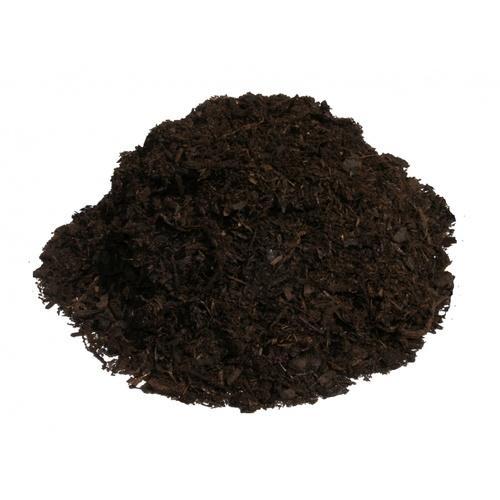
| Appearance | : | Dark Brown, Black |
| Country Of Origin | : | Jorden |
| Certificate of Analysis (CoA) | : | Available |
| Form | : | Powder |
| Shelf Life | : | 2 Years |
| Storage | : | Dry Place |
| Brand Name | : | Russian Organic Fertilizer |
| Purity | : | 98% |
| Use type | : | Agriculture |
| Packaging type | : | Plastic Bag |
| Manufacturing Capacity | : | 500 Ton per Month |
| Packing Size | : | 25, 50,100 Kg. |
| MOQ | : | 100 Kg |
| Grade Standard | : | Agriculture |
Soil Irrigation Water Soluble Fertilizers - Sol range includes 100% water
Agriculture Soil Water Soluble Fertilizer Price Per Kg - Irrigation Soil Organic Fertilizer Supplier
India Jordan United States Canada Australia Germany United Kingdom Mexico
Properties and characteristics:
- Suitable for all soil irrigation techniques
- Lowers the pH of solutions to acid values
- Free of impurities, chlorine,
- sodium and heavy metals
- Low salinity
- Low levels of biuret
- Micronutrients in the fully chelated from EDTA
- 100 % soluble in water
Fertigation is the injection of fertilizers, used for soil amendments, water amendments, and other water-soluble products into an irrigation system.
Fertigation is related to chemigation, the injection of chemicals into an irrigation system. The two terms are sometimes used interchangeably however chemigation is generally a more controlled and regulated process due to the nature of the chemicals used. Chemigation often involves insecticides herbicides, and fungicides, some of which pose a health threat to humans, animals, and the environment.
Application:-
Fertigation is practiced extensively in commercial agriculture and horticulture. Fertigation is also increasingly being used for landscaping as dispenser units become more reliable and easier to use. Fertigation is used to add additional nutrients or to correct nutrient deficiencies detected in plant tissue analysis. It is usually practiced on high-value crops such as vegetables, turf, fruit trees, and ornamentals.
Fertigation is the injection of fertilizers, used for soil amendments, water amendments, and other water-soluble products into an irrigation system. Fertigation is related to chemigation, the injection of chemicals into an irrigation system.
We are Manufacturer Supplier & Exporter of Fertilizer
Contact Us
Phone: +79266450870
For Bulk Liquid / Powder Fertilizer Price List
Soil Irrigation Fertilizer | Fruit Irrigation Fertilizer | Vegetable Irrigation Fertilizer | Crop Plant Irrigation Fertilizer
Common uses:-
Most plant nutrients can be applied through irrigation systems. Nitrogen is the most commonly used plant nutrient. Naturally occurring nitrogen (N2) is a diatomic molecule that makes up approximately 80% of the earth's atmosphere. Most plants cannot directly consume diatomic nitrogen, therefore nitrogen must be contained as a component of other chemical substances that plants can consume. Commonly, anhydrous ammonia, ammonium nitrate, and urea are used as bioavailable sources of nitrogen. Other nutrients needed by plants include phosphorus and potassium. Like nitrogen, plants require these substances to live but they must be contained in other chemical substances such as monoammonium phosphate or diammonium phosphate to serve as bioavailable nutrients. A common source of potassium is muricate of potash which is chemically potassium chloride. A soil fertility analysis is used to determine which of the more stable nutrients should be used.
Advantages:-
The benefits of fertigation methods over conventional or drop-fertilizing methods include:
- Increased nutrient absorption by plants.
- Accurate placement of nutrients, where the water goes the nutrient goes as well.
- Ability to "micro dose", feeding the plants just enough so nutrients can be absorbed and are not left to be washed down to stormwater next time it rains.
- Reduction of fertilizer, chemicals, and water needed.
- Reduced leaching of chemicals into the water supply.
- Reduced water consumption due to the plant's increased root mass's ability to trap and hold water.
- Application of nutrients can be controlled at the precise time and rate necessary.
- Minimized risk of the roots contracting soil-borne diseases through the contaminated soil.
- Reduction of soil erosion issues as the nutrients are pumped through the water drip system. Leaching is decreased often through methods used to employ fertigation.
Fertigation has some specific advantages over broadcast and band fertilization: a frequent supply of nutrients reduces the fluctuation of nutrient concentration in soil; there is efficient utilization and precise application of nutrients according to the nutritional requirements of the crop; fertilizers are applied throughout the irrigated soil volume; nutrients can be applied to the soil when soil or crop conditions would otherwise prohibit entry into the field with conventional equipment. Drip fertigation has added advantages over other methods of fertigation: application of nutrients only to the wetted soil volume where roots are active reduces loss of nutrients by leaching or soil fixation and increases fertilizer-use efficiency, the crop foliage remains dry, thus retarding incidence of pests or diseases and escaping foliage burn, the wind has no effect and runoff is avoided.
The fertigation allows the application of the right amounts of plant nutrients uniformly to the wetted root volume zone where most of the active roots are concentrated and this helps enhance NUE. Fertigation is considered eco-friendly as it controls the leaching of nutrients especially nitrogen(N).
Fertilizer Type we Provide:
Powder Fertilizer | Bio-Feed | Microelements | Special Formulation
We are specialists in fertilizing
Soluble fertilizers enriched with trace elements in EDTA form. Chelan Sol water-soluble fertilizers are manufactured with the highest quality and pure source of raw materials. They are used to solve nutritional problems of soil irrigation and satisfy the demand for nutrients for all plants. The range is capable to cover the plant nutrition needs from the beginning until harvest and completion of the annual biological cycle.
- Tags:




Dutchman's Breeches
£162.00
£120.00
Pellentesque habitant morbi tristique senectus et netus et malesuada fames ac turpis egestas. Vestibulum tortor quam, feugiat vitae, ultricies eget, tempor sit amet.
- b
- r
- p