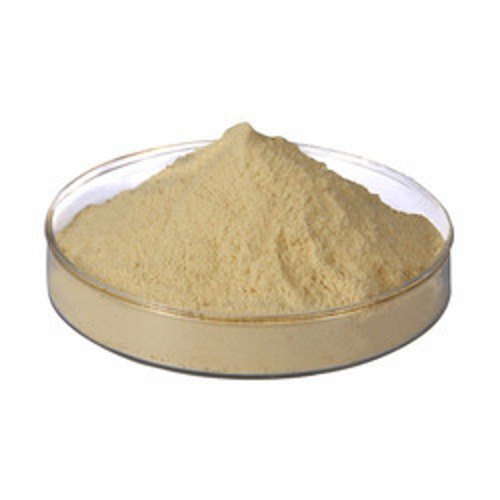
Rich source of assimilative iron in chelate form with appropriate chosen amino acids
Brand : Russian Organic Fertilizer
| Classification | : | Amino Acid Crop Farming Fertilizer |
|---|---|---|
| Solubility | : | Water Soluble |
| Appearance | : | Light Yellow |
| Country Of Origin | : | Jorden |
| Certificate of Analysis (CoA) | : | Available |
| Form | : | Powder |
| Shelf Life | : | 2 Years |
| Storage | : | Cool Dry Place |
| Brand Name | : | Russian Organic Fertilizer |
| Purity | : | 98% |
| Use type | : | Agriculture |
| Packaging type | : | Plastic Bag |
| Manufacturing Capacity | : | 500 Ton per Month |
| Packing Size | : | 25, 50,100 Kg |
| MOQ | : | 100 Kg |
Amino Acid Crop Farming Fertilizer
Amino Acid Chelate Fertilizer Bulk Price - Crop Growth Fertilizer Supplier For Agriculture Farming
India Jordan United States Canada Australia Germany United Kingdom Mexico
Amino Fe is a rich source of assimilative iron in chelate form with appropriate chosen amino acids, in order to ameliorate the absorption through the epidermic cells of the leaves by foliar applications.
The presence of selected amino acids, which are normally found in all plants, eases the absorption of the fertilizer and helps plants to overcome iron deficiency, thus avoiding problems such as photosynthesis reduction and chlorosis.
The chelate form gives this fertilizer the desirable stability in alkaline soils and therefore, it becomes applicable through irrigation systems.
The amino acid organic fertilizer is produced from raw materials of the animal residual body, plant straw, castor bean cake, leftover from monosodium glutamate production, vinasse, pollution-free pond sludge, turf, organic fertilizer starter, sterilizing deodorant, and a mixture of amino acid chelating trace elements.
Amino Acid Liquid Fertilizer is a unique formulation to address Nutrients deficiency for all Crops. It is based on a mixture of Proteins that are being hydrolyzed with Enzymatic conversion to manufacture Protein Hydrolysates (Amino acids).
We are Manufacturer Supplier & Exporter of Fertilizer
Contact Us
Phone: +79266450870
For Bulk Liquid / Powder Fertilizer Price List
Soil Irrigation Fertilizer | Fruit Irrigation Fertilizer | Vegetable Irrigation Fertilizer | Crop Plant Irrigation Fertilizer
BENEFITS:-
The direct benefit of amino acids is that they are taken up by the roots and leaves and are readily available as building blocks for protein biosynthesis. This saves energy for other metabolic processes such as yield formation.
Glycine and Glutamic Acid are fundamental metabolites in the process of formation of vegetable tissue and chlorophyll synthesis. These Amino Acids help to increase chlorophyll concentration in the plant leading to higher degree of photosynthesis. This makes crops lush Green.
The amino acid is an organic molecule composed of carbon, hydrogen, oxygen, and nitrogen. When a series of amino acids are joined by peptide bonds, the proteins are formed. Proteins are important macromolecules involved in all aspects of the growth and development of plants.
Amino Acid Powder is a bio-organic nutritional product derived from a vegetable source (Soya) required for plant growth promotion and for higher yields. It promotes hormonal activity and induces their synthesis resulting in flowering and fruit set.
Hence Amino Acids obtained by organic synthesis are not well assimilated. Plants synthesize carbohydrates by photosynthesis, Low photosynthesis rate implies a slow growth leading to the death of the plant, chlorophyll is the responsible molecule for the absorption of light energy.
The amino acid organic fertilizer is produced from raw materials of the animal residual body, plant straw, castor bean cake, leftover from monosodium glutamate production, vinasse, pollution-free pond sludge, turf, organic fertilizer starter, sterilizing deodorant, and a mixture of amino acid chelating trace elements.
The most abundant amino acids in plants are glutamic acid and aspartic acid. Pearson's correlation analysis among different amino acids showed that there were no negative correlations between the amino acids.
Nine essential amino acids biosynthesis leading to lysine (Lys), methionine (Met), threonine (Thr), phenylalanine (Phe), tryptophan (Trp), valine (Val), isoleucine (Ile), leucine (Leu), and histidine (His) in plants.
Amino acids can play different roles in plants, such as stress-reducing agents, nitrogen source,s and hormone precursors. Another important fact is the role of amino acids as a signaling factor of different physiological processes in plants. In Arabidopsis thaliana, glutamate receptors (GRLs) have been identified, which are also capable of binding to other amino acids. These receptors, when activated by amino acids, are capable of triggering a series of physiological processes such as the regulation of nitrogen uptake, root development, and antioxidant metabolism. The better root growth favored by the addition of amino acids can enhance the biologic nitrogen fixation, which leads to greater production of ureides. Furthermore, with the larger root surface, the nutrient uptake can also be increased, as for example, the nitrate. The nitrogen metabolism can also be altered due to the signaling role promoted by the amino acids.
Fertilizer Type we Provide:
Powder Fertilizer | Bio-Feed | Microelements | Special Formulation
We are specialist in fertilizing
Amino acid fertilizers are manufactured either by hydrolysis or enzymatic treatment of animal or plant protein feedstock. Amino acid fertilizers are readily absorbed, transported, and utilized as a source of nitrogen and carbon for plants. This saves the energy expended by the plant to reduce organic matter, synthetic nitrates, and ammonia into amino acids. Some amino acids are efficient metal ion chelators which can help with metal ion nutrient uptake and help protect plants from toxic levels of metal ions.
Amino acids also function as biostimulants for plants. As a biostimulant, amino acids can play important roles in enhancing plant productivity, especially under abiotic and biotic stress conditions. These functions combined with the ability to be approved for organic use make sustainably produced amino acids a smart choice for growers.
- Tags:
Related Products




Dutchman's Breeches
£162.00
£120.00
Pellentesque habitant morbi tristique senectus et netus et malesuada fames ac turpis egestas. Vestibulum tortor quam, feugiat vitae, ultricies eget, tempor sit amet.
- b
- r
- p