
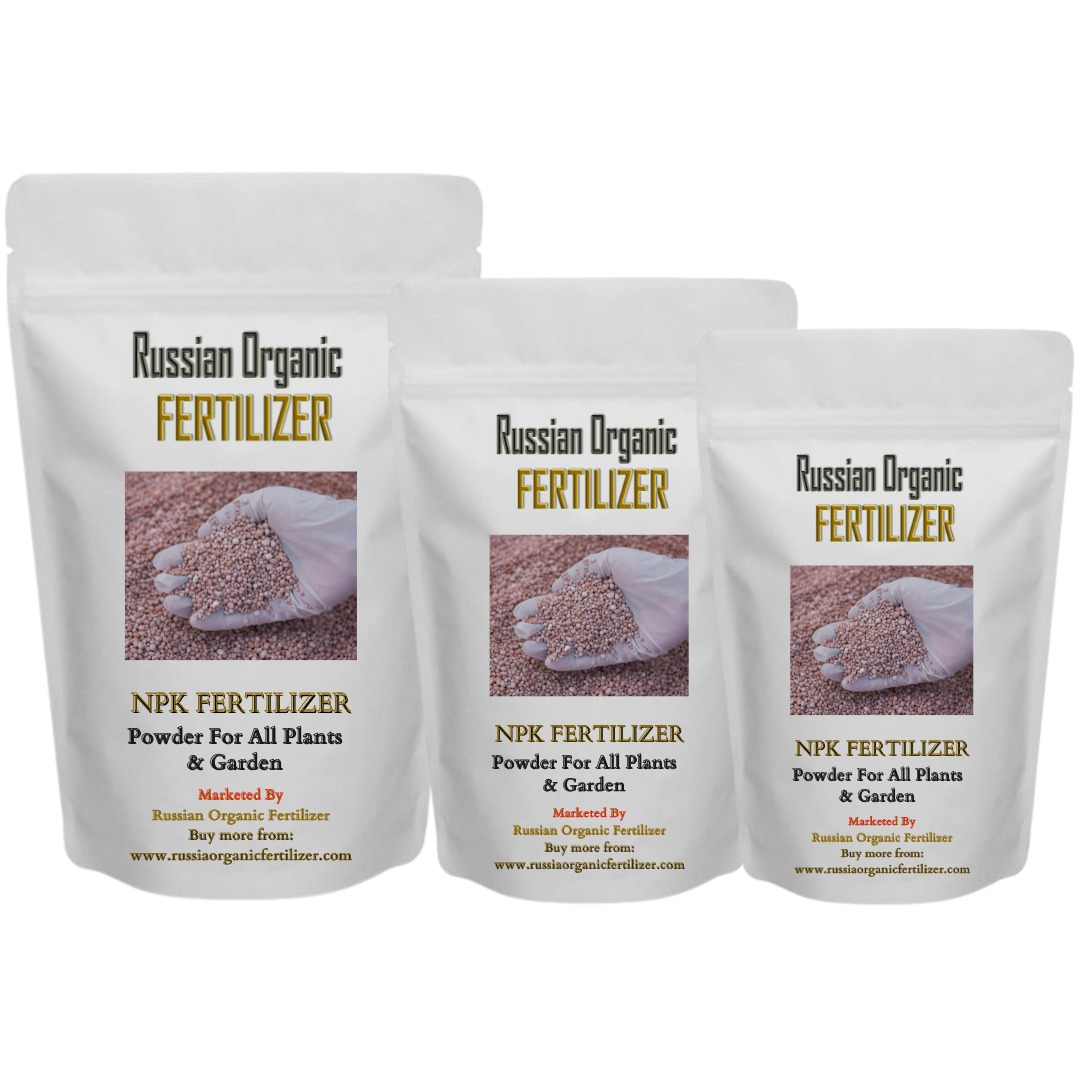
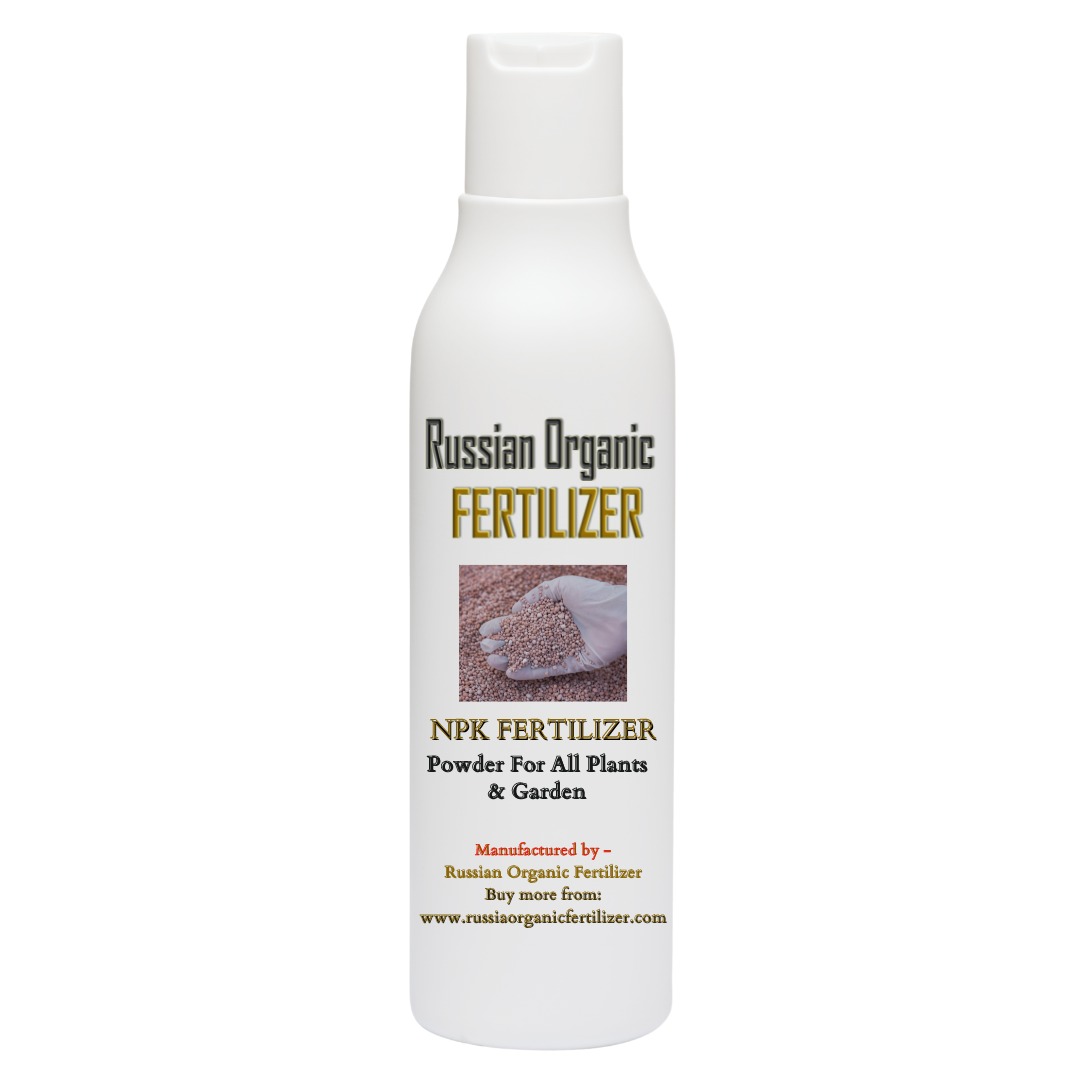
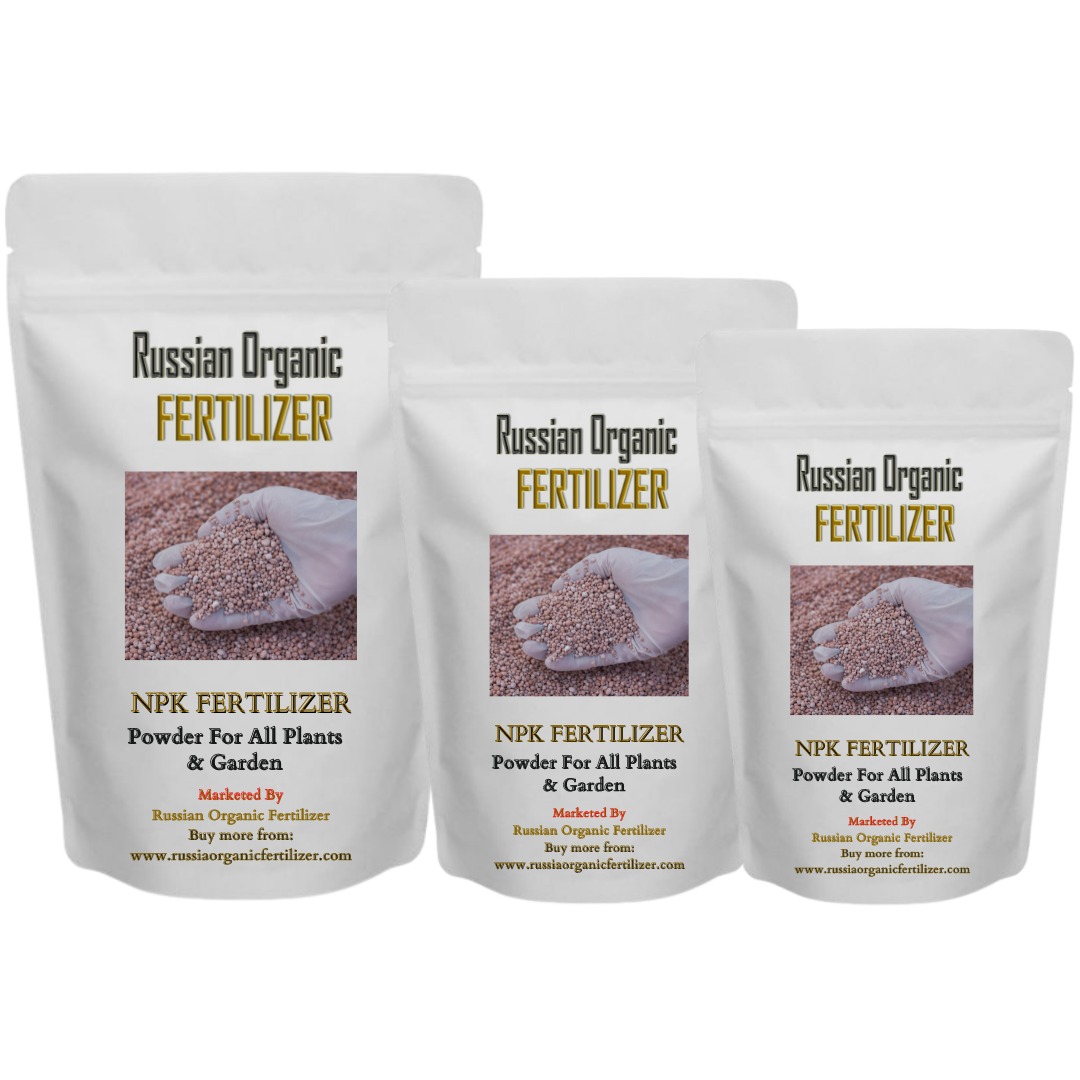
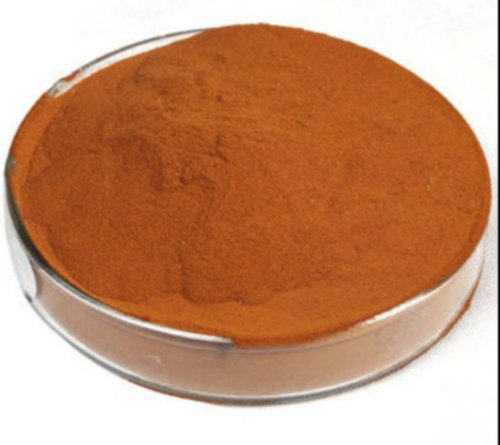
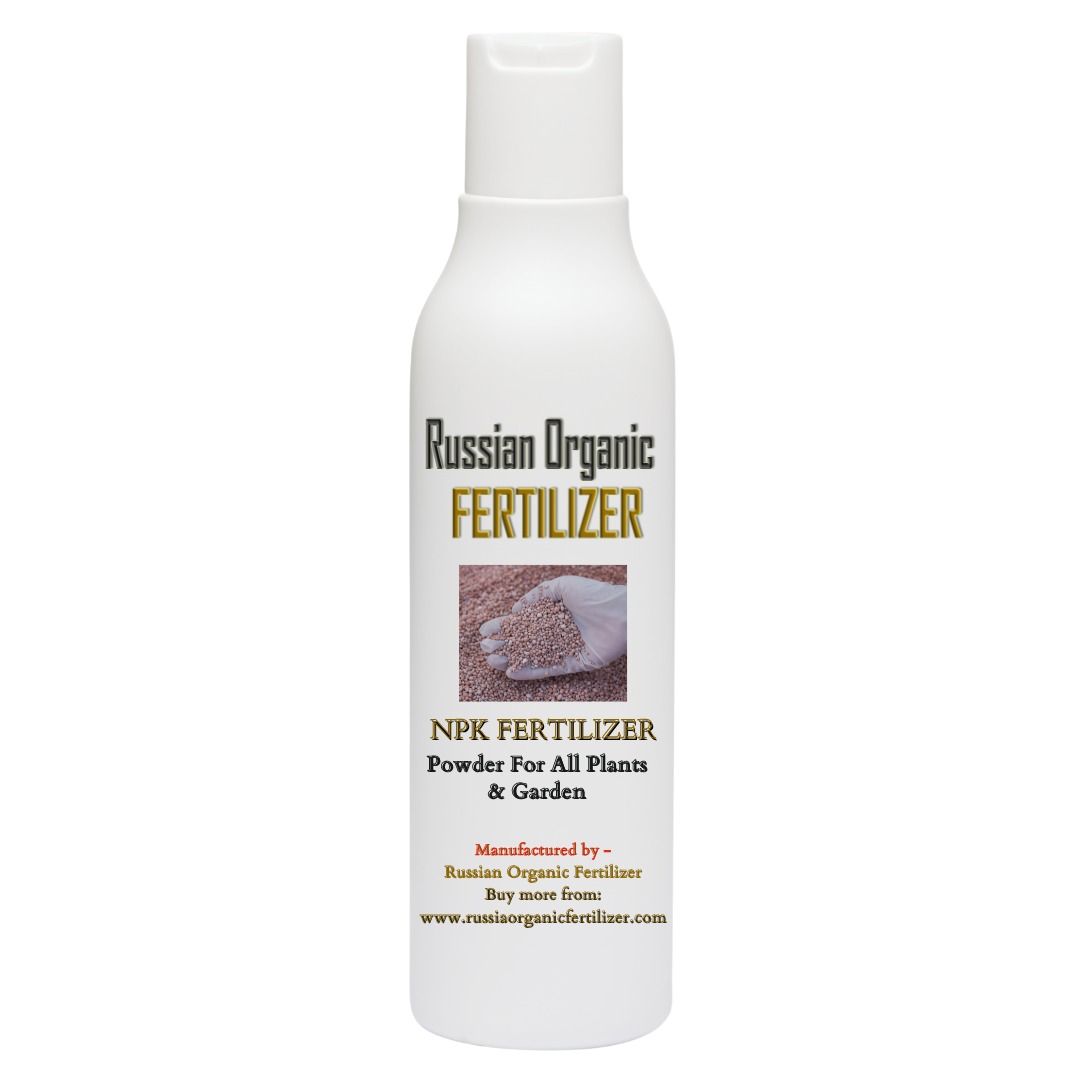
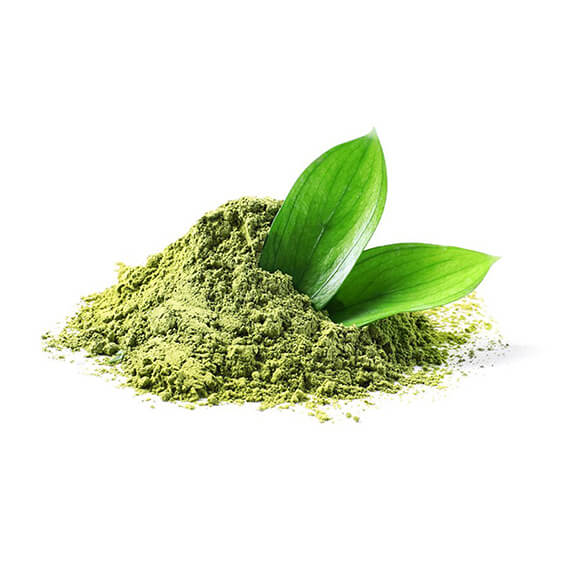
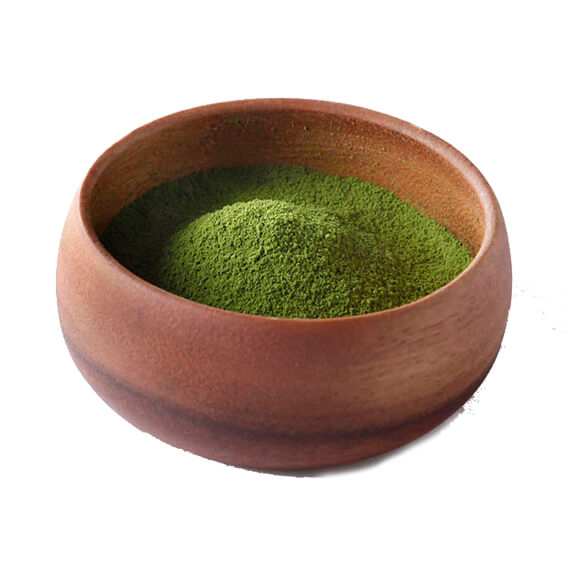
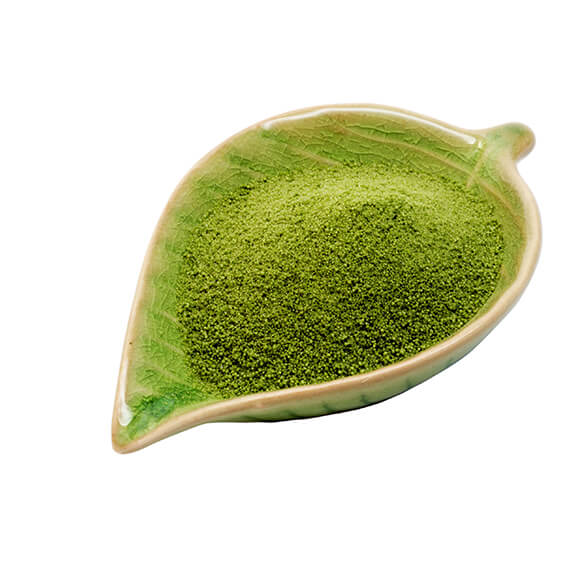
Natural product in solid form, derived from %100 seaweed extract (Ascophyllum nod)
Brand : Russian Organic Fertilizer
| Classification | : | ascophyllum nod extract fertilizer |
|---|---|---|
| Country Of Origin | : | Jorden |
| Certificate of Analysis (CoA) | : | Available |
| Form | : | Powder |
| Shelf Life | : | 2 Years |
| Storage | : | Dry Place |
| Brand Name | : | Russian Organic Fertilizer |
| Purity | : | 98% |
| Use type | : | Agriculture |
| Packaging type | : | Plastic Bag |
| Manufacturing Capacity | : | 500 Ton per Month |
| Packing Size | : | 25, 50,100 Kg. |
| MOQ | : | 100 Kg |
Seaweed Extract Organic Bio Fertilizer
Seaweed Extract Organic Plant Fertilizer Bulk Price - Plant Growth Fertilizer Supplier For Agriculture Farming
India Jordan United States Canada Australia Germany United Kingdom Mexico
Algi 100 is a natural product in solid form, derived from %100 seaweed extract (Ascophyllum nod).
Algi 100 is rich in nutrients which helps the plant to overcome stress due to climatic changes and other situations. Furthermore, it activates the plant to effectively stimulate its metabolic function in relation to the creation of a rich root system, growth, blossoming as well as fruit ripening.
Fertilizer, a natural or artificial substance containing the chemical elements that improve the growth and productiveness of plants. Fertilizers enhance the natural fertility of the soil or replace the chemical elements taken from the soil by previous crops.
The use of manure and composts as fertilizers is probably almost as old as agriculture. Modern chemical fertilizers include one or more of the three elements that are most important in plant nutrition: nitrogen, phosphorus, and potassium. Of secondary importance are the elements sulfur, magnesium, and calcium.
We are Manufacturer Supplier & Exporter of Fertilizer
Contact Us
Phone: +79266450870
For Bulk Liquid / Powder Fertilizer Price List
Soil Irrigation Fertilizer | Fruit Irrigation Fertilizer | Vegetable Irrigation Fertilizer | Crop Plant Irrigation Fertilizer
Most nitrogen fertilizers are obtained from synthetic ammonia; this chemical compound (NH3) is used either as a gas or in a water solution, or it is converted into salts such as ammonium sulfate, ammonium nitrate, and ammonium phosphate, but packinghouse wastes, treated garbage, sewage, and manure are also common sources of it. Phosphorus fertilizers include calcium phosphate derived from phosphate rock or bones. The more soluble superphosphate and triple superphosphate preparations are obtained by the treatment of calcium phosphate with sulfuric and phosphoric acid, respectively. Potassium fertilizers, namely potassium chloride and potassium sulfate, are mined from potash deposits. Mixed fertilizers contain more than one of the three major nutrients - nitrogen, phosphorus, and potassium. Mixed fertilizers can be formulated in hundreds of ways.
Fertilizer is any substance or material added to soil that promotes plant growth. There are many fertilizer varieties, and most contain nitrogen (N), phosphorus (P), and potassium (K). Organic fertilizers (manure and compost) are made from animal feces, and plant or animal decomposed matter.
Fertilizer Type we Provide:
Powder Fertilizer | Bio-Feed | Microelements | Special Formulation
We are specialist in fertilizing
The role of fertilizers is to increase yield and ensure healthy produce by supplying the right balance of nutrients to the soil. "Without fertilizers, the soil would be depleted and therefore plants would be particularly difficult to grow. They cannot survive on water alone, and nor can we.
Most gardeners should use a complete fertilizer with twice as much phosphorus as nitrogen or potassium. An example would be 10-20-10 or 12-24-12. These fertilizers usually are easy to find. Some soils contain enough potassium for good plant growth and don't need more. Farmers turn to fertilizers because these substances contain plant nutrients such as nitrogen, phosphorus, and potassium. Fertilizers are simply planted nutrients applied to agricultural fields to supplement required elements found naturally in the soil. Fertilizers have been used since the start of agriculture.
- Tags:
Related Products





Dutchman's Breeches
£162.00
£120.00
Pellentesque habitant morbi tristique senectus et netus et malesuada fames ac turpis egestas. Vestibulum tortor quam, feugiat vitae, ultricies eget, tempor sit amet.
- b
- r
- p