








Best Growth Fertilizers For Soil / Plants / Roots / Fruits / Vegetables & Flowers
Plants use several trace elements in small quantities. The elements which are generally regarded as being essential micro-elements are Boron, cobalt, copper, iodine, iron, molybdenum, manganese, selenium, zinc, silicon, nickel and chlorine as fertilizer micronutrients.
Beyond the basic three essential nutrients, Nitrogen, Phosphorous and Potassium (NPK), other requirements for plant growth and soil health are the secondary nutrients (S, Ca, Mg) and also micronutrients, which include iron, manganese, zinc, boron, molybdenum and copper.
Micronutrients fertilizer not only assure healthy growth but also help gardens fight off pests and diseases.
Microelements in plants - There are 7 essential plant nutrient elements defined as micronutrients [boron (B), zinc (Zn), manganese (Mn), iron (Fe), copper (Cu), molybdenum (Mo), chlorine (Cl). They constitute in total less than 1% of the dry weight of most plants.
Micronutrients are one of the major groups of nutrients your body needs. They include vitamins and minerals. Vitamins are necessary for energy production, immune function, blood clotting and other functions. Meanwhile, minerals play an important role in growth, bone health, fluid balance and several other processes.
Micronutrients promote essential plant processes and growth, which translates into nutrient-rich food for animals and humans. Micronutrients include boron, chlorine, copper, iron, manganese, molybdenum and zinc, which are often in short supply for growing crops. Micronutrients promote the strong, steady growth of crops that produce higher yields and increase harvest quality — maximizing a plant's genetic potential. In particular, their presence can have a great impact on root development, fruit setting and grain filling, seed viability and plant vigour and health.
We consist of Two main businesses: Fertilizer business, and plant protection business. We adhere to product quality and integrity for our partners. We also focus on research and product development and select only high-quality products to supply.
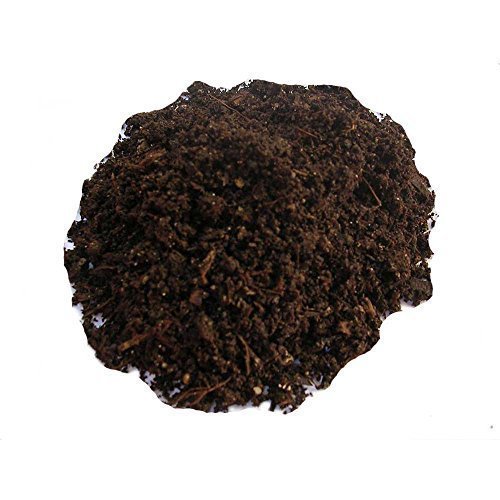
Russian Organic Fertilizer Premium plant fertilizers provide optimized plant nutrition and proven added values of high efficiency, crop suitability, and purity. Biological Agriculture Fertilizer Price Per Kg | Calcium Agriculture fertilizer Price Per Kg | Boron Agriculture Fertilizer Price Per Kg | Zinc Agriculture fertilizer Price Per Kg | Bio Organic Liquid NPK Fertilizer | Organic NPK Powder Fertilizer Price Per Kg | Soil Growth Water Soluble Agriculture Fertilizer Price | Potassium Agriculture fertilizer Price Per Kg | Betaine Agriculture fertilizer Price Per Kg | Amino Acid Agriculture Fertilizer Price Per Kg | Fulvic acid Agriculture fertilizer Price Per Kg | Crop Farming Agriculture fertilizer Price Per Kg | Ascophyllum nodosum Agriculture fertilizer Price Per Kg | Zinc chelated Agriculture fertilizer Price | NPK Agriculture Fertilizer Price Per Kg | Root Booster Agriculture Fertilizer Price Per Kg | Nitrogen Agriculture Fertilizer Price Per Kg | Phosphorus Agriculture Fertilizer Price Per Kg | Potassium Agriculture Fertilizer Price Per Kg | Iron Agriculture fertilizer Price Per Kg | Humic Acid Liquid Fertilizer | Tomato Organic Fertilizer | Plant Growth Regulator Price | Organic Root Growth Booster Fertilizer. Fertilizers are food for plants. Fertilizers replace the nutrients that crops remove from the soil. Without the addition of fertilizers, crop yields and agricultural productivity would be significantly reduced. Balance nutrients for better product quality and higher yield.
We are Manufacturer Supplier & Exporter of Fertilizer
Contact Us
Phone: +79266450870
For Bulk Liquid / Powder Fertilizer Price List
Soil Irrigation Fertilizer | Fruit Irrigation Fertilizer | Vegetable Irrigation Fertilizer | Crop Plant Irrigation Fertilizer
Fertilizer Type we Provide:
Powder Fertilizer | Bio-Feed | Microelements | Special Formulation
We are specialists in fertilizing
Liquid / Powder Agriculture Fertilizer Price List


Dutchman's Breeches
£162.00
£120.00
Pellentesque habitant morbi tristique senectus et netus et malesuada fames ac turpis egestas. Vestibulum tortor quam, feugiat vitae, ultricies eget, tempor sit amet.
- b
- r
- p