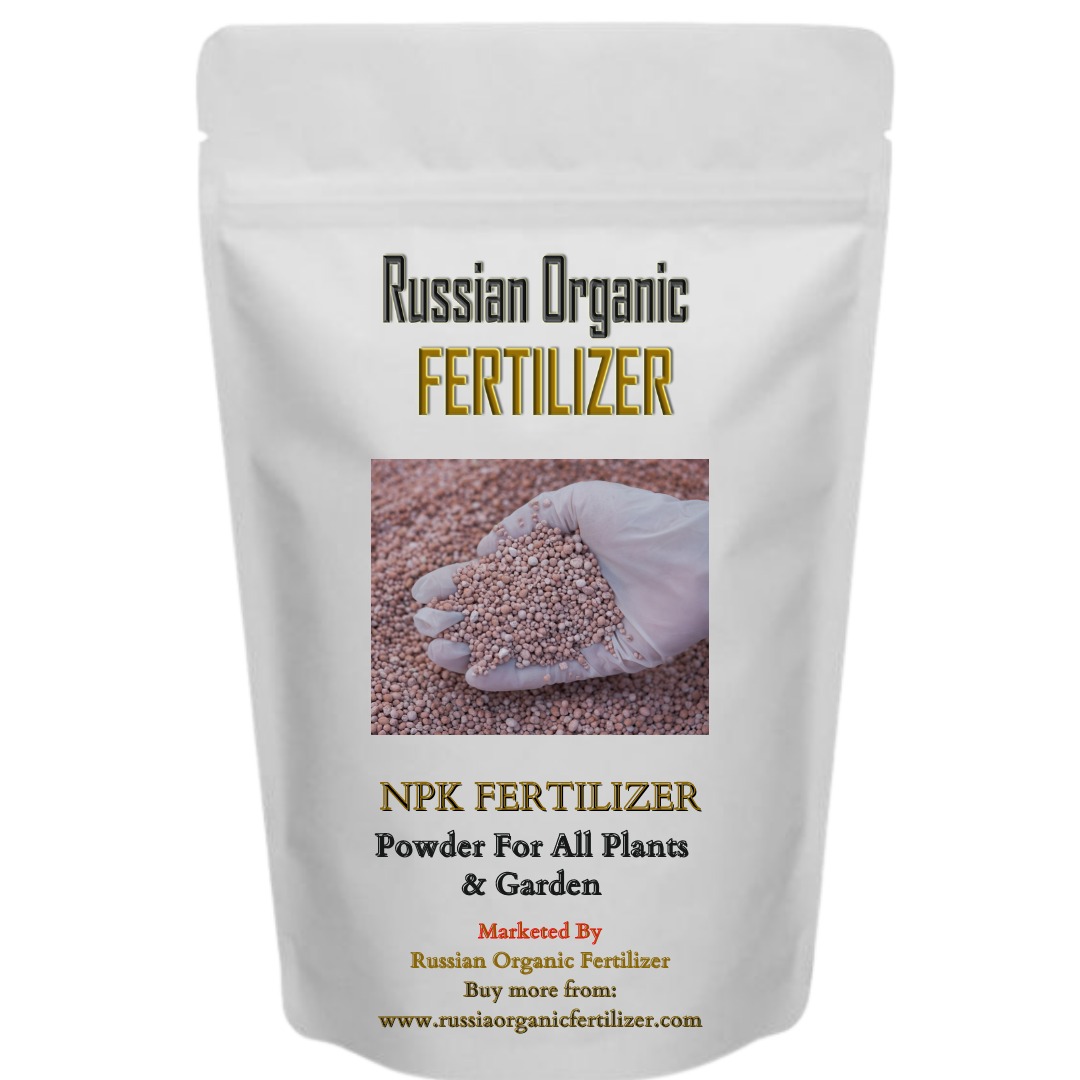
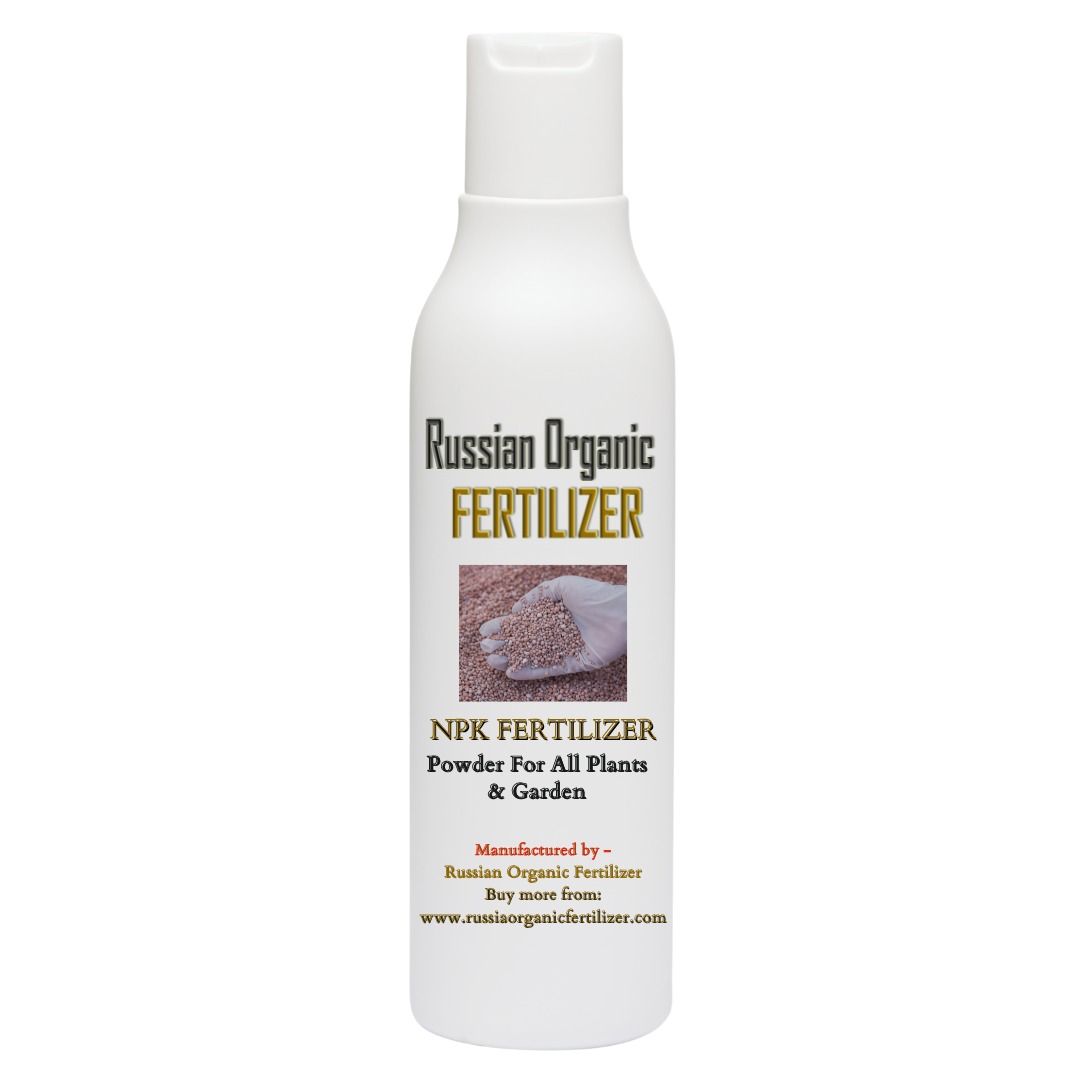
Dense (%70) biostimulant consists of humic and fulvic acids
Brand : Humus-S -Rabfert
| Classification | : | Humic and fulvic acids fertilizer |
|---|---|---|
| Country Of Origin | : | Jorden |
| Certificate of Analysis (CoA) | : | Available |
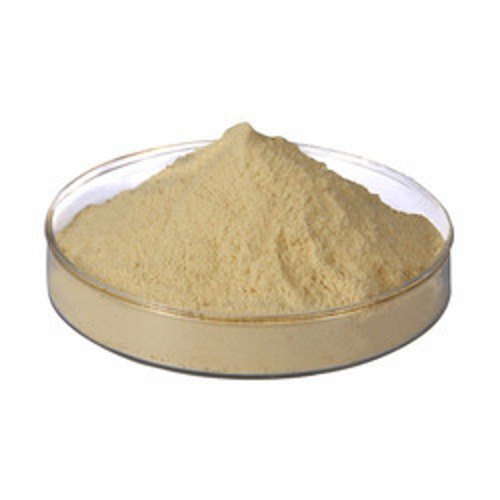
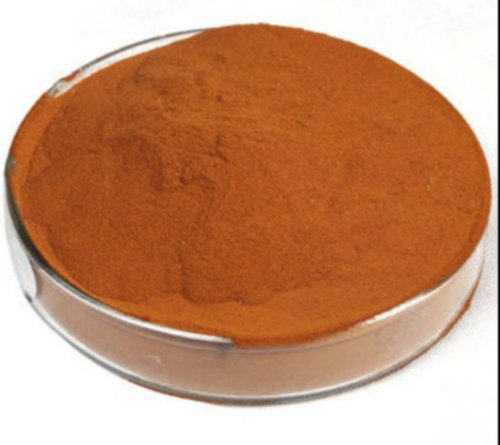
| Form | : | Powder |
| Shelf Life | : | 2 Years |
| Storage | : | Dry Place |
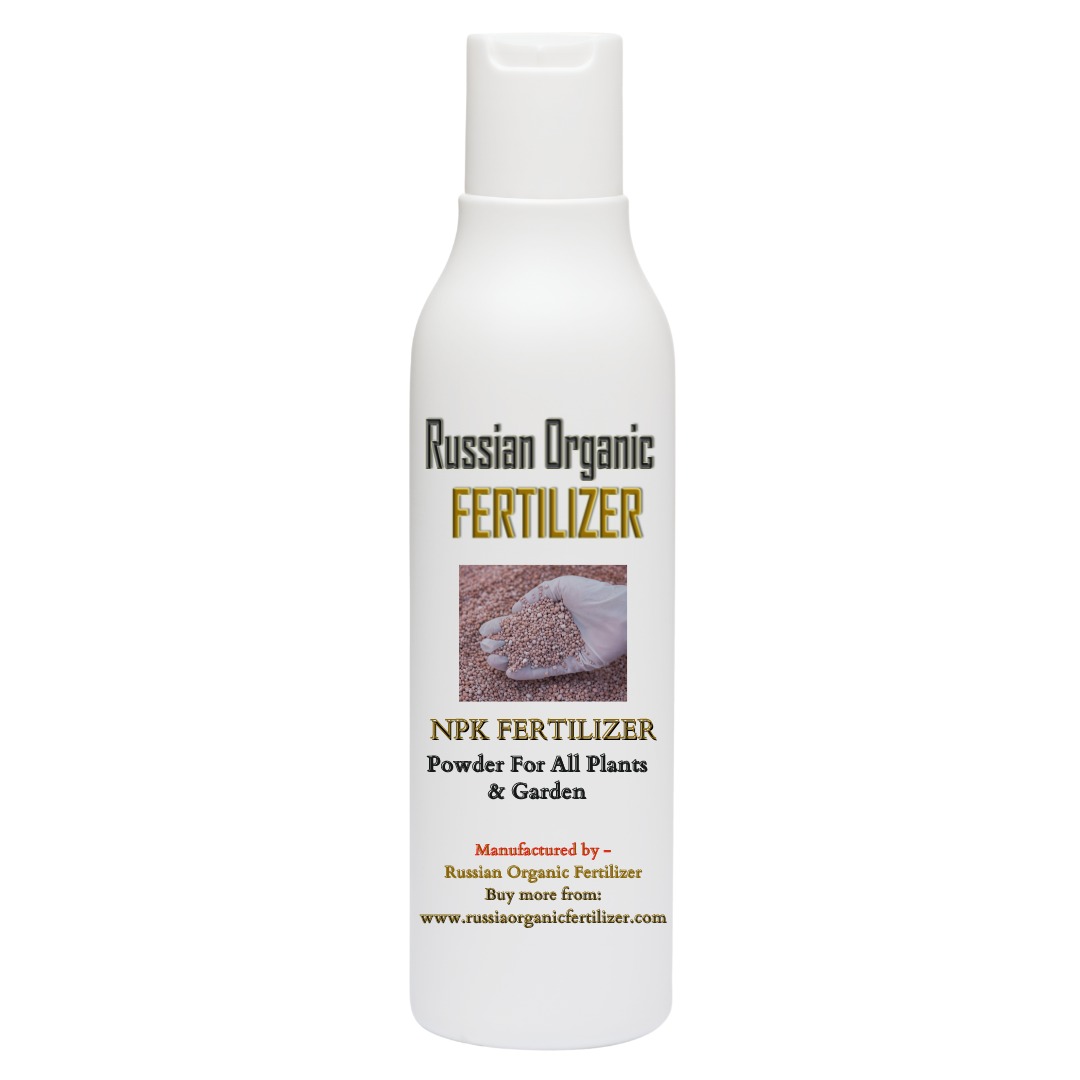
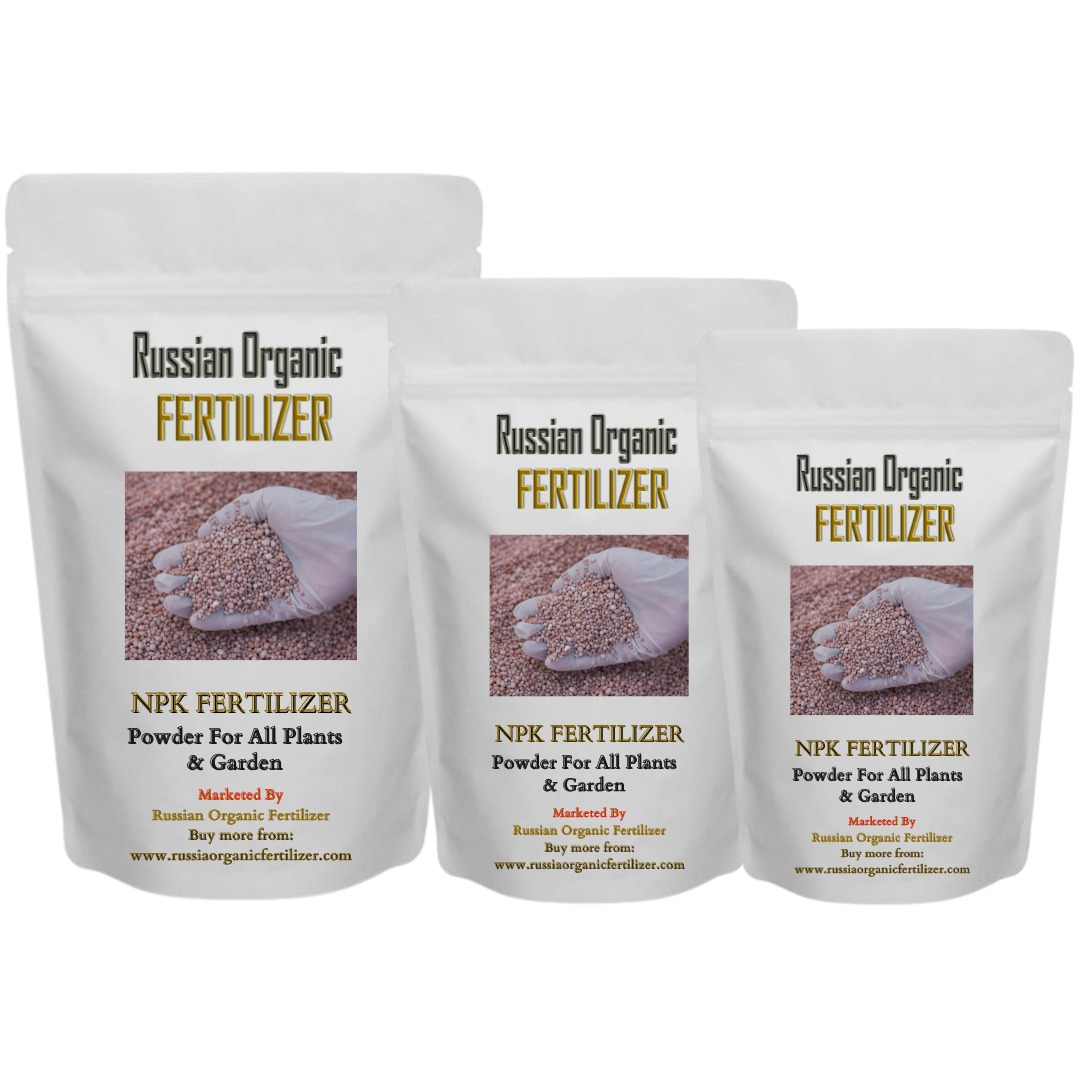
| Brand Name | : | Russian Organic Fertilizer |
| Purity | : | 98% |
| Packaging type | : | Plastic Bag |
| Manufacturing Capacity | : | 500 Ton per Month |
| Packing Size | : | 25, 50,100 Kg. |
| MOQ | : | 100 Kg |
Humus-S
In soil science, humus (derived in 1790–1800 from the Latin humus for 'earth, ground' denominates the fraction of soil organic matter that is amorphous and without the "cellular cake structure characteristic of plants, micro-organisms or animals".Humus significantly affects the bulk density of soil and contributes to its retention of moisture and nutrients. Although the terms humus and compost are informally used interchangeably, they are distinct soil components with different origins; humus is created through anaerobic fermentation, while compost is the result of aerobic decomposition.
In agriculture, "humus" sometimes also is used to describe mature or natural compost extracted from woodland or another spontaneous source for use as a soil conditioner. It is also used to describe a topsoil horizon that contains organic matter (humus type, humus form, or humus profile.
More precisely, humus is the dark organic matter that forms in soil when dead plant and animal matter (including aerobic compost) breaks down further, specifically through the action of anaerobic organisms. Humus has many nutrients that improve the health of the soil, nitrogen being the most important. The ratio of carbon to nitrogen
humus is the product of the decomposition of organic materials like leaves and animal waste. Like a fertilizer, humus holds nutrients that plants can use, but releases them slowly over time as it breaks down.
We are Manufacturer Supplier & Exporter of Fertilizer
Contact Us
Phone: +79266450870
For Bulk Liquid / Powder Fertilizer Price List
Soil Irrigation Fertilizer | Fruit Irrigation Fertilizer | Vegetable Irrigation Fertilizer | Crop Plant Irrigation Fertilizer
Soil contains living organisms and along with plants needs organic matter (carbon) to thrive. Humus 26 contains humic and fulvic acid, which are the most active components of soil carbon (organic matter). Soil microbes use active carbon to provide a wealth of soil health benefits.
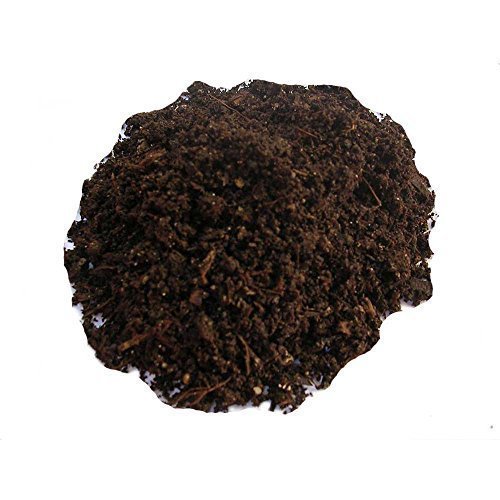
Humus is dark, organic material that forms in soil when plant and animal matter decays. When plants drop leaves, twigs, and other material to the ground, it piles up. The thick brown or black substance that remains after most of the organic litter has decomposed is called humus.
Both compost and humus are formed with decaying organic material. By contrast, humus is formed by the decomposition of materials without oxygen present. This process is known as anaerobic decomposition, and it can take place in compost. In other words, humus is essentially used-up compost.
Topsoil is the layer of humus (partially decomposed organic matter) between the surface and the subsoil. Once upon a time, topsoil was a deep, rich, organic layer.
The best way to make soil humus rich is to dig in lots of compost and well-rotted manure. Rich humus soil is black. It holds water, yet is well-draining. It is loose and friable, allowing plant roots to grow unrestricted.
Fertilizer Type we Provide:
Powder Fertilizer | Bio-Feed | Microelements | Special Formulation
We are specialist in fertilizing
- Tags:
Related Products





Dutchman's Breeches
£162.00
£120.00
Pellentesque habitant morbi tristique senectus et netus et malesuada fames ac turpis egestas. Vestibulum tortor quam, feugiat vitae, ultricies eget, tempor sit amet.
- b
- r
- p