
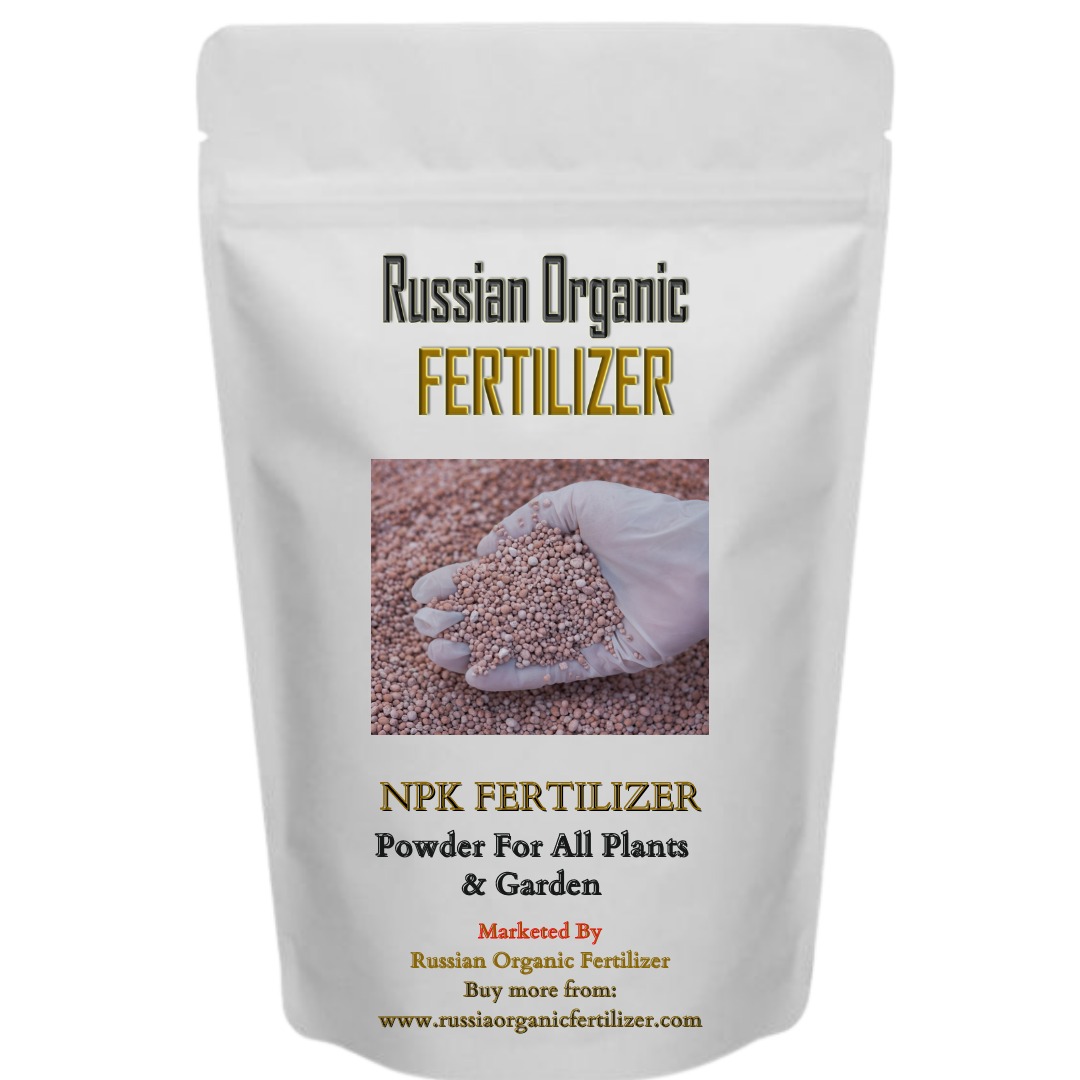
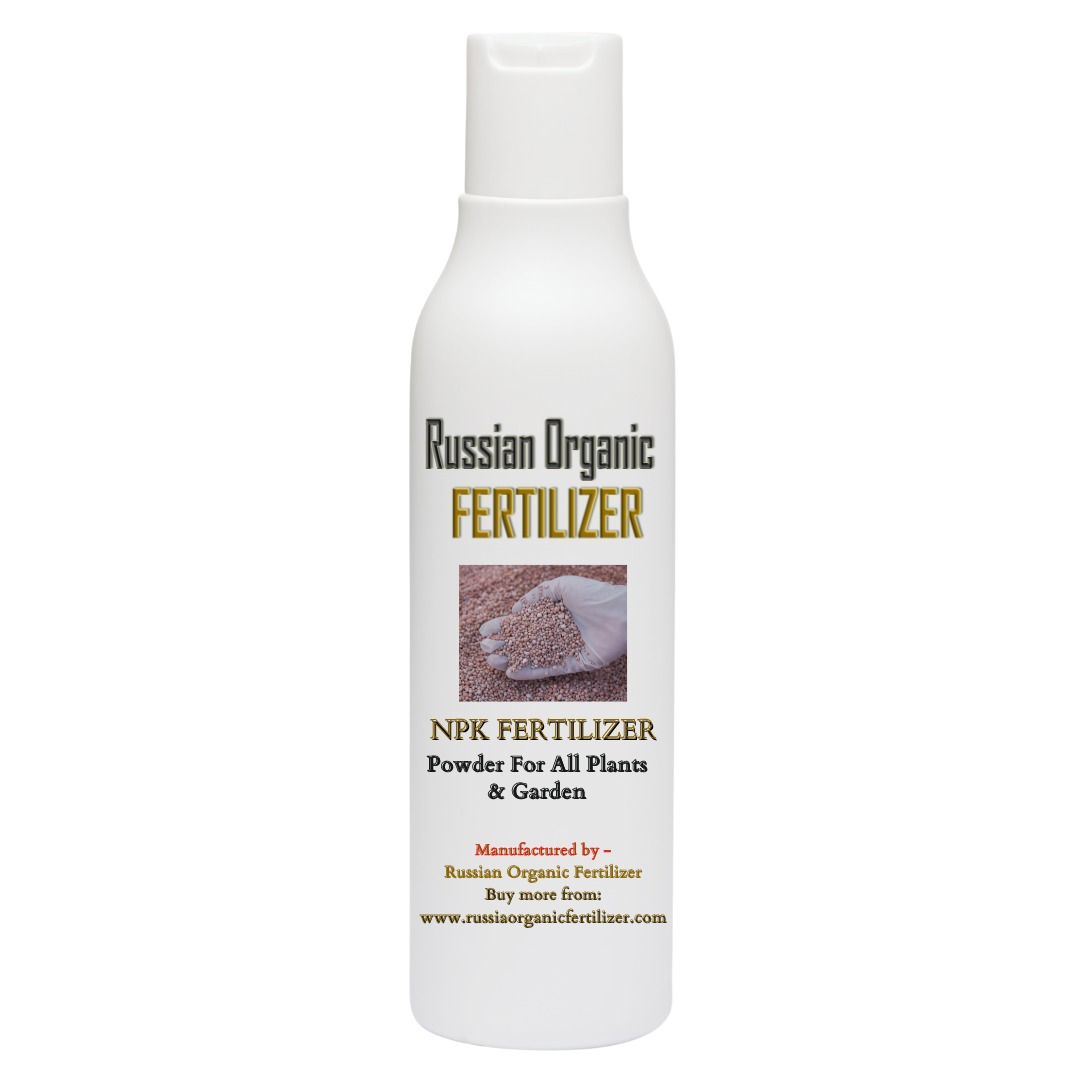
Fertilizer consisting of calcium, boron and zinc, enriched with organic substances
Brand : Russian Organic Fertilizer
| Classification | : | Calcium boron and zinc fertilizer |
|---|---|---|
| Country Of Origin | : | Jorden |
| Certificate of Analysis (CoA) | : | Available |
| Form | : | Powder |
| Shelf Life | : | 3 Years |
| Storage | : | Dry Cool Place |
| Brand Name | : | Russian Organic Fertilizer |
| Purity | : | 96% |
| Packaging type | : | Plastic bag, Paper bag |
| Manufacturing Capacity | : | 500 Ton per Month |
| Packing Size | : | 25, 50,100 Kg. |
| MOQ | : | 100 Kg |
Fruit Crops Growth Fertilizer
Fruit Production Growth Fertilizer Bulk Price - Calcium Boron Zinc Fertilizer Supplier For Agriculture Fruit Production
India Jordan United States Canada Australia Germany United Kingdom Mexico
CABOZIN is a fertilizer consisting of calcium, boron, and zinc, enriched with organic substances which guarantee the stability of the above trace elements in the spraying solution. This specific composition secures both a high assimilation rate and the plant's fast response.
The high conciseness of calcium and its synergism with boron and zinc makes this fertilizer a powerful tool for rooting, fruit set, and prevention of Calcium, Boron, and Zinc deficiencies (growth hormone) synthesis.
Fruit trees prefer an organic, high nitrogen fertilizer. Blood meal, soybean meal, composted chicken manure, cottonseed meal, and feather meal are all good, organic nitrogen sources. There are also specially formulated fruit tree fertilizers.
Although the nutrient needs of plants vary, all require nitrogen, phosphorus, and potassium to promote healthy growth. While both nitrogen and potassium are necessary for growth, phosphorus works directly on fruit production. An added application of phosphorus at blooming or fruiting time is often beneficial.
To encourage flower bud production you can apply a fertilizer that contains a small percentage of nitrogen, a higher percentage of phosphorous, and a little potassium. I recently purchased a liquid fertilizer with an analysis of 5-30- 5, ideal for flower production.
We are Manufacturer Supplier & Exporter of Fertilizer
Contact Us
Phone: +79266450870
For Bulk Liquid / Powder Fertilizer Price List
Soil Irrigation Fertilizer | Fruit Irrigation Fertilizer | Vegetable Irrigation Fertilizer | Crop Plant Irrigation Fertilizer
Nitrates (The leaf makers): These fertilizers are high in nitrogen. Nitrate helps plants to grow faster by encouraging the formation of more & more leaves.
The best time to fertilize fruit trees is - The late winter or early spring is a good time to start fertilizing fruit trees.
Some Confidential Style To Have More Blooms In The Garden:-
- Use Rich Soil. Soil that is loamy and rich in organic matter like aged compost or well-rotted manure provides plenty of nutrients constantly to the plants. ...
- Deadhead More
- Fertilize the Plants
- Provide More Sun
- Nurse the Roots
- Apply Mulch
- Do Moderate Watering
It is completely possible to fertilize a fruit tree too often. Fruit trees don't require constant feeding. Once a year, in the spring, should be more than enough. If you're thinking about a second feeding, do a soil analysis first to make sure your fruit tree really does need a bit of a nutrient boost of some kind.
Nutrient Basics
Nitrogen (N) makes for healthy green growth & rapid vegetative growth.
Phosphorus (P) promotes root growth, promotes flowering & fruit set, and disease resistance. Moves slowly.
Potassium (K) promotes overall vigor, fruit ripening, and disease resistance.
Seedless bananas and grapes are triploids, and seedlessness results from the abortion of the embryonic plant that is produced by fertilization, a phenomenon known as stenospermocarpy, which requires normal pollination and fertilization.
Fertilizer Type we Provide:
Powder Fertilizer | Bio-Feed | Microelements | Special Formulation
We are specialist in fertilizing
Fruit Tree Fertilizer
Slow-release spikes are one of the easiest to use, especially if you have more than one fruit tree. Pre-measured and compact for easy storage, they carry far less risk of run-off and root burn.
Watering them in is not necessary either, as nutrients are released by micro-organisms that naturally live in the soil. This method of application also carries the added benefit of stimulating an increased resistance to tree disease and pests.
Seedlessness is an important feature of some fruits of commerce. Commercial cultivars of bananas and pineapples are examples of seedless fruits. Some cultivars of citrus fruits (especially grapefruit, mandarin oranges, navel oranges), satsumas, table grapes, and watermelons are valued for their seedlessness. In some species, seedlessness is the result of parthenocarpy, where fruits are set without fertilization. Parthenocarpic fruit-set may (or may not) require pollination, but most seedless citrus fruits require a stimulus from pollination to produce fruit.
- Tags:
Related Products






Dutchman's Breeches
£162.00
£120.00
Pellentesque habitant morbi tristique senectus et netus et malesuada fames ac turpis egestas. Vestibulum tortor quam, feugiat vitae, ultricies eget, tempor sit amet.
- b
- r
- p